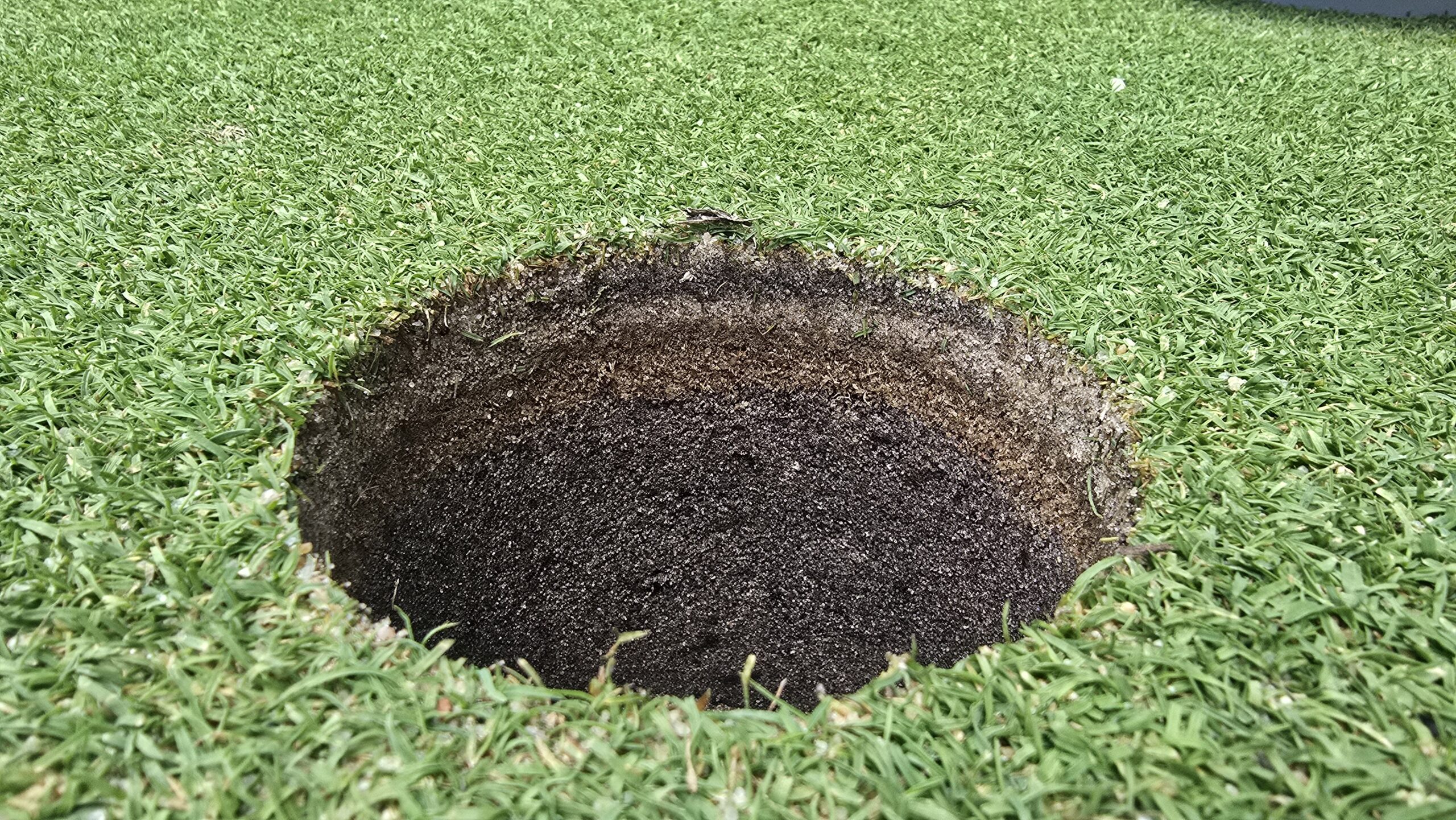
Surface organic matter has always been one of the most important—and frustrating—variables to manage on putting greens. We know it influences firmness, infiltration, water holding capacity, and pest pressure. We also know that topdressing and cultivation are our primary tools to manage it. But for a long time, we lacked a consistent way to measure it.
That inconsistency is what led me, along with colleagues from across the turfgrass research community and the USGA, to take a closer look at how surface organic matter is measured and how we could improve it.
Why We Needed a Better Method
As we began reviewing existing methods, it became clear that much of the variability in organic matter data was coming from the methodology itself. In many cases, standard lab procedures removed a significant portion of the organic material before analysis even began—particularly when samples were ground, sieved, or stripped of verdure (green tissue).
From a practical standpoint, that did not make sense. The organic matter we were removing during preparation is the same material influencing surface performance in the field.
Our goal was to develop a method that better represented what is actually present in the putting green surface and could be repeated consistently over time.
Refinement of the OM246 Approach
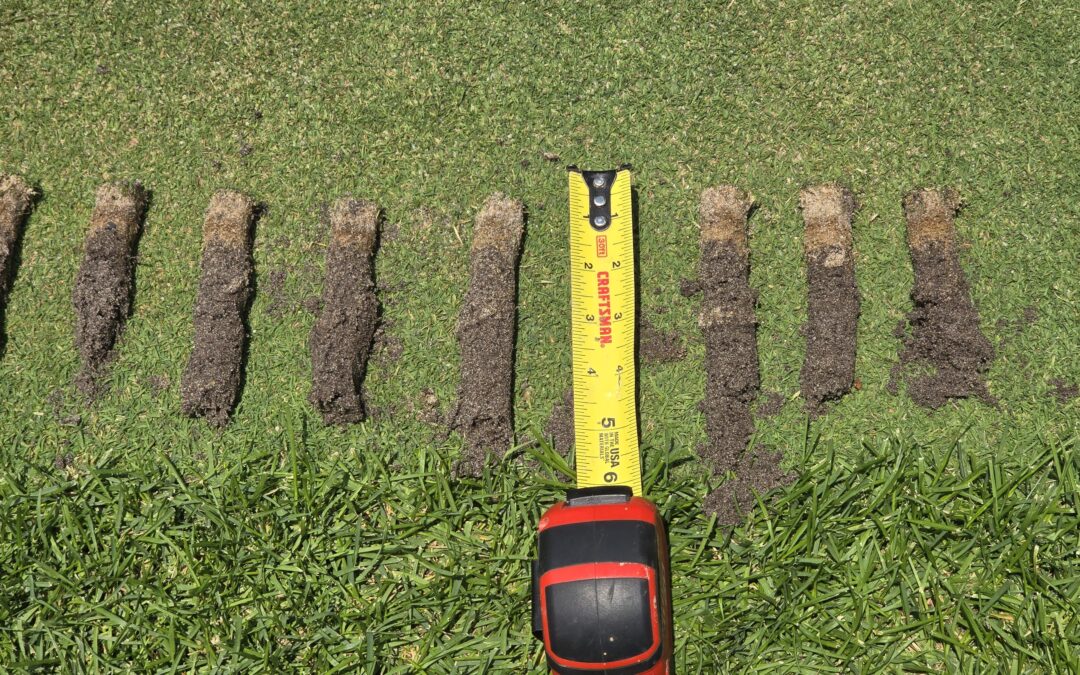
The result of that work is what many now refer to as the OM246 method—measuring organic matter at 0–2, 2–4, and 4–6 cm depths.
A few principles guided the approach:
- Analyze intact cores, including verdure
- Avoid grinding and sieving prior to analysis
- Use a higher ignition temperature (440°C) to better capture organic matter in surface layers
These decisions were based on both experimental work and practical considerations. Our goal was not to create a more complicated test, but a more meaningful one.
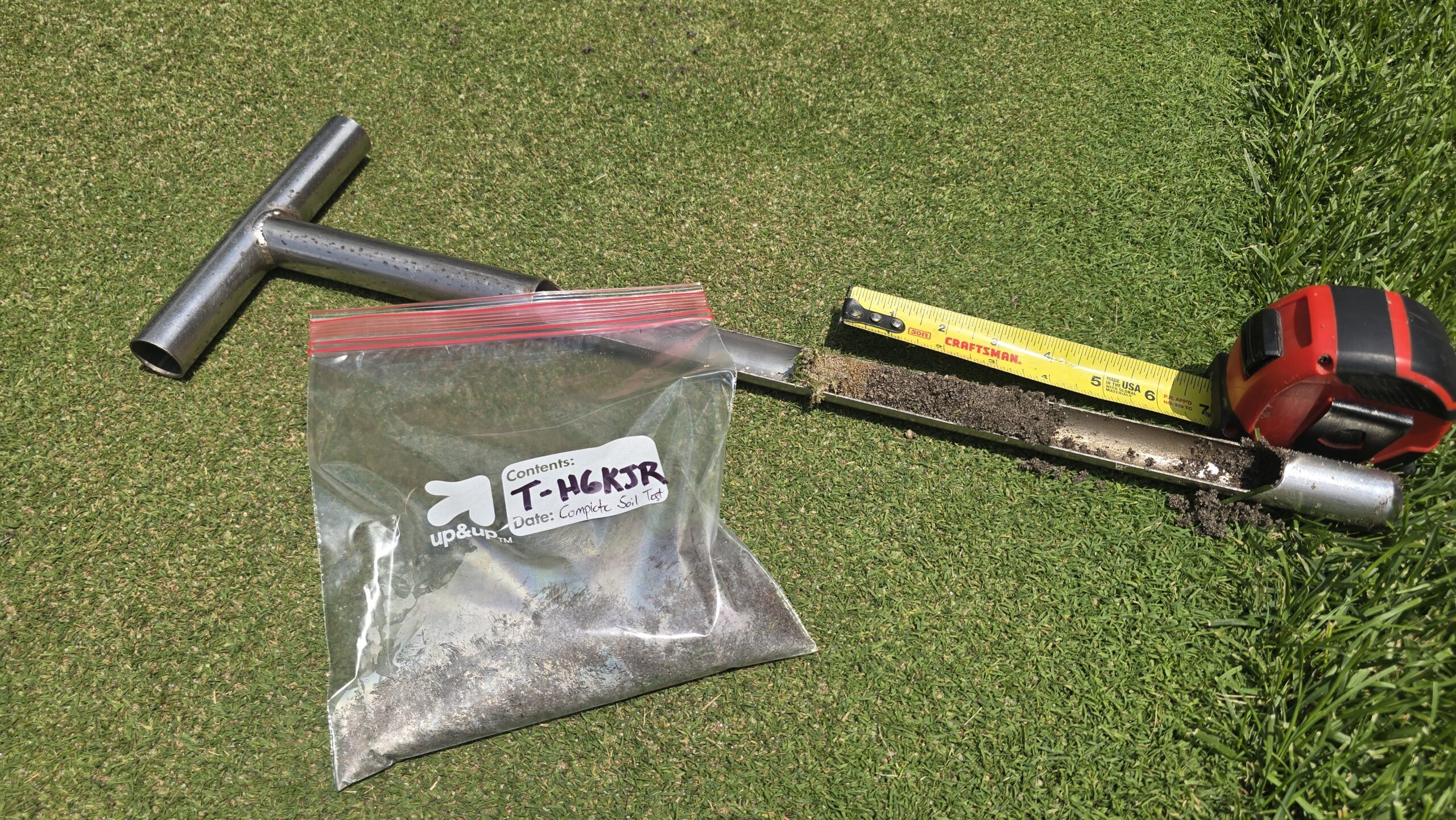
We also spent considerable time evaluating sampling strategies—how many samples are needed, how they should be collected, and when they should be taken. In most cases, 5 to 10 well-collected samples per green provide a reliable estimate, provided they are representative and collected consistently. We conservatively recommend pooling different sampling depths from 15 T-probe (3/4″ diameter) cores to obtain a robust representative sample.

Bringing This Work into Practice with GreenKeeper
One of the challenges with research like this is making sure it does not stay confined to publications. It needs to be accessible and usable by superintendents. That is why I am excited to see this method implemented within GreenKeeper as the High Resolution Surface Organic Matter Test.
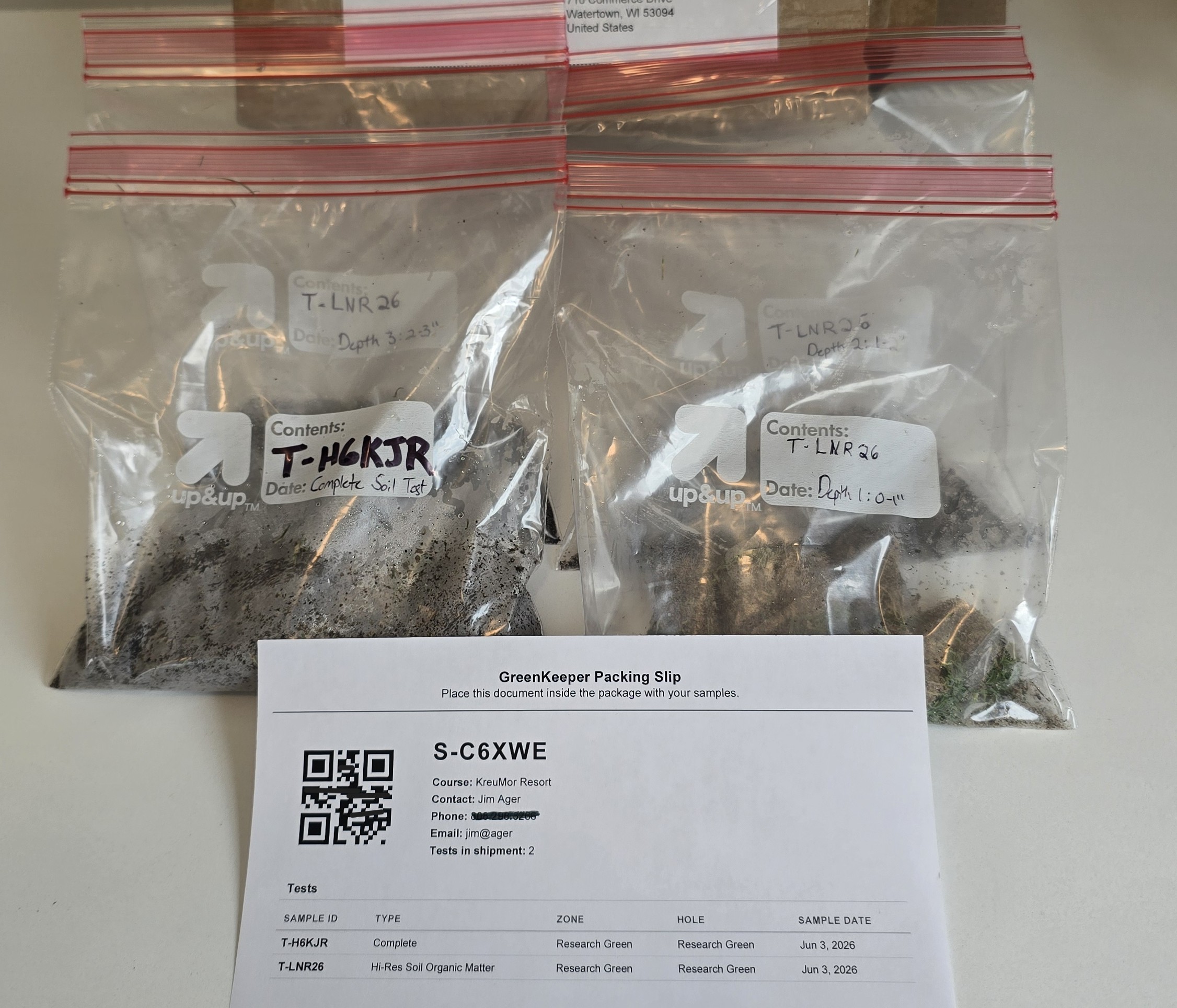
This test measures organic matter at the three depths with our new standardized method, and makes the results available in a format that can be tracked and managed over time. The service costs $100 per sample, which includes all three depths, making it practical to incorporate into a routine management program.

Why Resolution Matters
Measuring organic matter at multiple depths provides a clearer picture of how it is distributed through the profile. That matters because management practices do not affect all depths equally.
For example, topdressing tends to dilute organic matter near the surface, while cultivation can redistribute material deeper into the profile. A single bulk measurement can mask these dynamics. The OM246 approach provides users of precise organic matter levels that can be used to set benchmark values and schedule cultivation to hit those benchmarks over time.
From Measurement to Management
What I find particularly valuable about integrating this method into GreenKeeper is what happens after the data is collected.
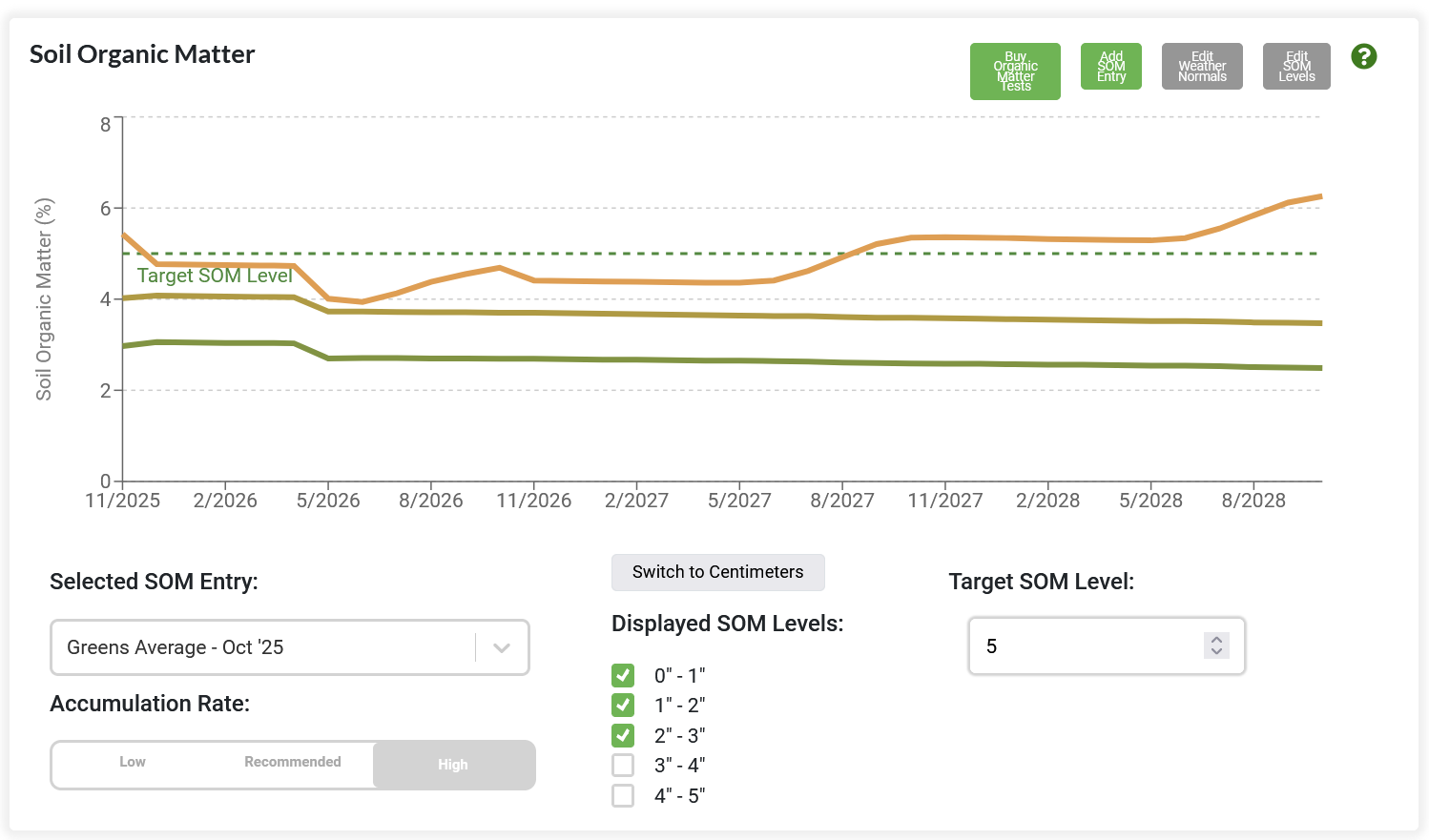
Rather than simply reporting organic matter levels, GreenKeeper uses these measurements to project how organic matter is likely to change over the next three years based on your topdressing and cultivation practices.
This is an important shift. It allows you to evaluate whether your current program is likely to achieve your desired outcomes, rather than waiting years to find out. This type of display helps communicate cultivation requirements to ownership, club members, and your maintenance staff.
A New Standard in Organic Matter Testing and Interpretation
This work originally stemmed from a broader effort to standardize how organic matter is measured in turf systems. While there is still more to do—particularly across different turf species and environments—the now standardized method represents meaningful progress toward that goal.
More importantly, it provides superintendents with data that is both accurate and actionable.
By bringing this approach into GreenKeeper, we are connecting measurement directly to management. That is where the real value lies—using better data to make better decisions, and ultimately, to produce more consistent playing surfaces over time.