
GREENKEEPER BLOG
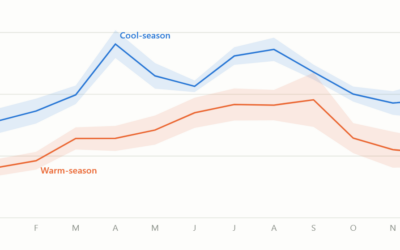
How Much Does a Putting Green Actually Grow?
This launches the GreenKeeper Growth Series: an ongoing look at what we’ve learned from 500,000 clipping volume observations. Over the coming weeks, we’ll use this dataset to explore how putting greens grow, how factors like weather, fertility and PGRs influence...

When 60% Regulation Still isn’t Enough
Summer Created a Misleading Growth Surge It has been a hot, humid summer across much of the U.S., and one of the most common questions we’ve received is some version of: “Why is my PGR program not working anymore?” The evidence is usually sitting in the mower baskets....
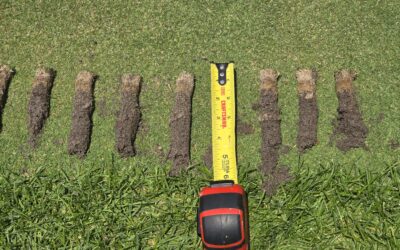
Hi-Res Surface Organic Matter Analysis in GreenKeeper
Surface organic matter has always been one of the most important—and frustrating—variables to manage on putting greens. We know it influences firmness, infiltration, water holding capacity, and pest pressure. We also know that topdressing and cultivation are our...
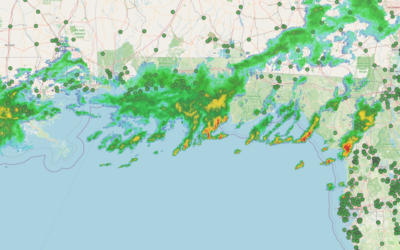
Why Your Rainfall Data May Be Wrong: The Challenges of Estimated Precipitation
GreenKeeper, like the weather apps on your phone, uses extremely high-resolution weather models to estimate current conditions and forecast future weather. These systems combine observations from airports, weather balloons, satellites, and weather radar with...

A Completely New WhiteBoard Experience for Turf Managers
GreenKeeper WhiteBoard has been rebuilt from the ground up with a modern user experience, intelligent planning tools, and unmatched flexibility for daily turf operations.Daily labor planning in turf management is complicated. Every day, turf managers balance changing...

Your Spray Program Shouldn’t Keep You Up at Night
Building a spray program can be stressful. You're thinking about pest control, fertility, PGRs, wetting agents, and plant health products. Are products from the last application still doing the job? Then comes the mixing math. A misplaced decimal or a wrong unit can...